

Discernment
“I delight to do your will, my God”
Psalm 40:9
The journey of discernment
The journey of discernment is rooted in a desire to do God’s will. This journey is not a puzzle to figure out or a problem to be solved; rather, discernment is growing into the person God created us to be through prayer, reflection, conversation, and the guidance of the Holy Spirit. As with any art form, discernment needs to be practiced by being attentive to what is going on inside us and around us.
Discernment brings to a level of consciousness the feelings, nudges, and desires that stir within our heart for it is God who first calls us. In discernment we learn to listen from the heart and not simply the mind. Scripture tells us that the heart is seen as the very core of a human person; a hardened heart has turned from the Lord, a heart of flesh is open and receptive to God. From the heart we recognize that God is perfectly hidden and perfectly revealed in all of life and creation. Being attentive to his presence in our life is key to discernment. Think of the Blessed Virgin Mary who pondered all things in her heart.
Every person has a vocation, a call from God! Our primary vocation we receive in Baptism is the call to holiness, to do the will of God. We learn to be holy by following the example of Jesus. Fully living our call to holiness, we begin to recognize a secondary call in life which is the “state of life” I am called to live as a single person, married person, priest, consecrated brother or sister or a deacon. Because of the significance of such a decision we want to give our discernment the time, energy and attention needed to be in tune with God’s will for us and our life. The skills you learn for discernment today will serve you the rest of your life because discernment is a life-long journey of being faithful to God.
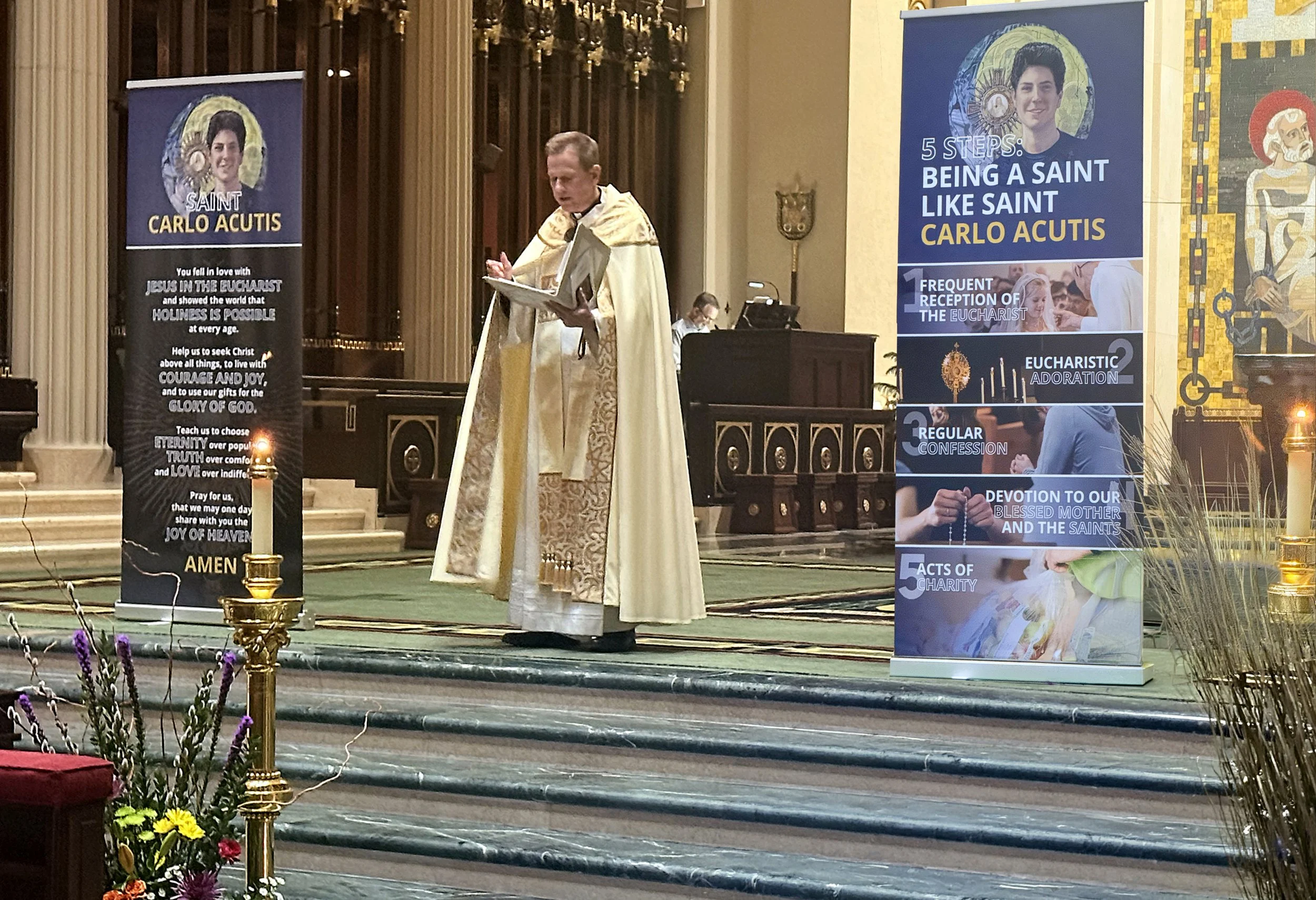
Tips for discernment
-
Learn to be comfortable with silence. Get into the practice of being unplugged from your I-phone, laptop, television, video games, social media
-
Quiet yourself by slowly breathing in the beath of life and exhaling all that is dark or stressful. Light a candle and focus on the light and allow it to enter your heart. Simply say the name of Jesus four or five times slowly to yourself. Slowly read a passage of scripture and let the word speak to your heart. Participate in Eucharistic adoration.
-
Practice a regular rhythm of prayer, morning prayer and evening prayer. When you pray don’t do all the talking. Let God speak to you.
-
At some point in your day, be aware of one thing that gave you life and give thanks for this gift and then name one thing that took away life and ask God’s help.
-
Journal about what you are observing in life through your time of prayer, the things that give life or take life, the conversations you have with God in the silence.
-
Get involved in volunteer work, acts of service. If you are striving to be holy you must follow the example of service that Jesus has taught us.
-
Listen for what others tell you about the gifts and talents you have been given. Have a circle of friends that you trust and can share your life of faith.
-
Don’t try to figure out your life. Listen to what your life is telling you and simply ask yourself, “What is the next step I can take to be faithful to God’s will in my life.”
-
Allow all the experiences in your life to be a school of learning how to love. God is experienced not only in the joys of life; more importantly, God is with us in our suffering. Don’t let fear be a stumbling block.
-
Rather an asking, “What do I want to do with my life?” ask yourself, “What does God want me to do with my life?”
-
Participate in the sacraments of Holy Eucharist and Reconciliation faithfully. Keep in mind what St. Carlo Acutis once said, “Holiness is not about being flawless—it’s about being faithful.”
-
Be aware of the people God has placed in your life over the years who have been teachers, coaches, mentors who have helped you grow in greater awareness of your gifts and talents.
-
Plan a visit to a seminary or a religious order that speaks to your heart. Cast the net far and wide and visit several different groups. Your intuition will tell you if this feels like home.
-
Find a spiritual director you can meet with who will help you listen to the movement of the Holy Spirit in your life.
-
Don’t think you have to know for sure you are going to be a priest, brother or sister before you start formation. It’s through the journey of being in the seminary or formation program that you clarify the call.
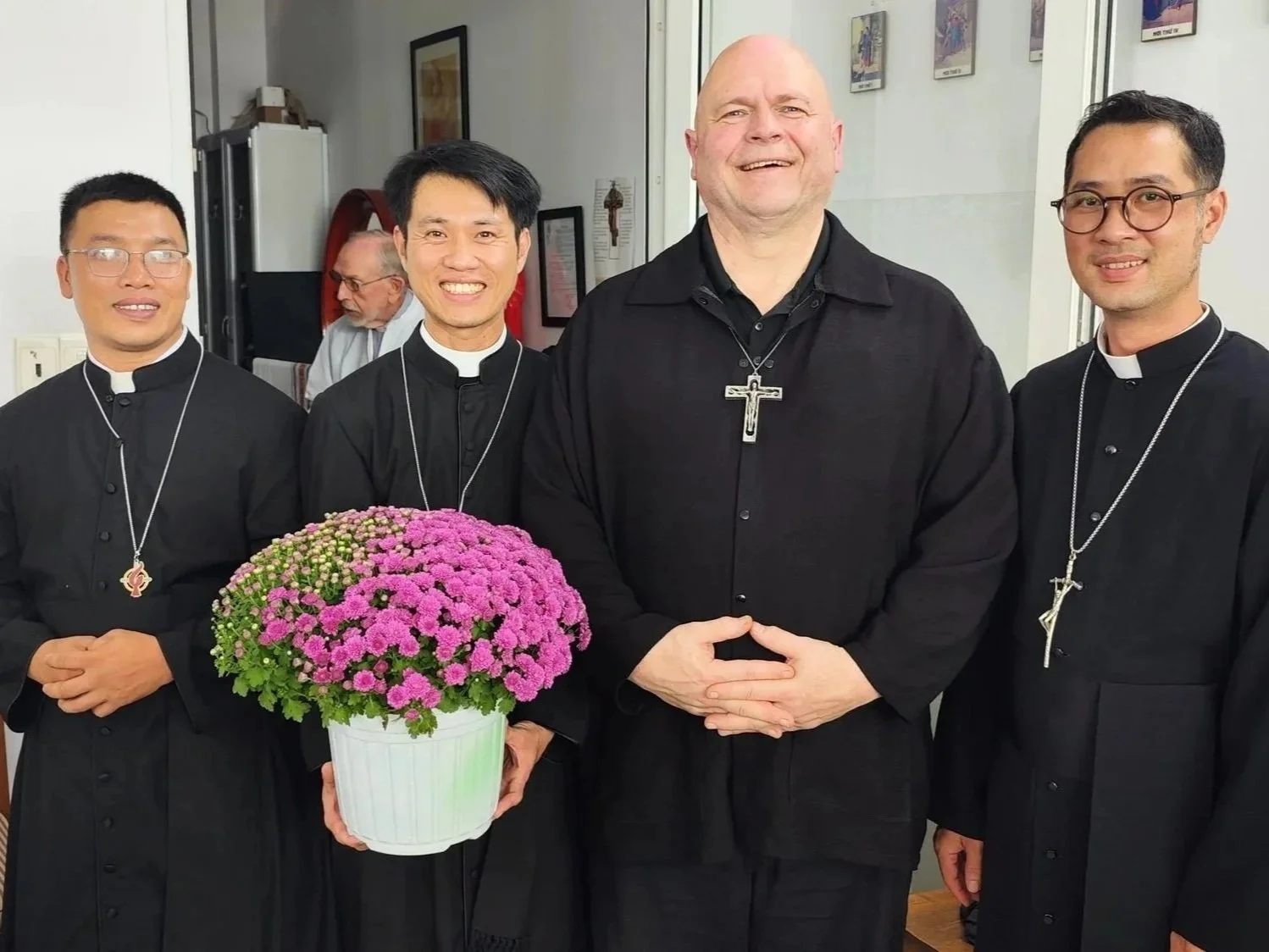
Tools to help your discernment

1.Prayer
All vocations have God as their starting point. If you desire clarity regarding your vocation, you need to practice regular mental prayer or meditation. Sit quietly with the Lord. If you’ve never spent time with Scripture, then Lectio Divina would be a great place to start. The Ignatian practice of imagining yourself in a scene from Scripture is another great way to enter into meditation or mental prayer.

2.Knowledge
Vocations are personal. Your vocation is yours. God created you with your vocation in mind. So, a thorough and honest knowledge of self is essential. What are your strengths? Weaknesses? What do you love? The goal here isn’t to see how you compare to an imaginary checklist, but to help you understand that who you are is a part of God’s call. This is the very personal aspect of your vocation.

3.Counsel
People who know you well can be helpful sources of information. Share with them what you are thinking and ask them what they think. Your parish priest would be another great resource for you. Eventually, you will want to find a spiritual director. A spiritual director sits with you and listens to your story. Their mission is to help you learn how to listen for God’s voice in your heart.

4.Action
At some point, your discernment will move from a conversation between you and God to include more people. This requires you to take concrete steps. First the focus will be about getting more information. That will lead to inquiries, conversations, and community visits. As you bring these experiences back to prayer, you will discover places where you just would not fit, and that’s okay. The goal is to find the place God has prepared for you.
Discerning your vocation can feel overwhelming, but you don't have to navigate the journey alone. The Curated Discernment Resource Index brings together trusted Catholic books, Church teachings, podcasts, prayer resources, videos, and practical discernment tools to help you listen more closely to God's voice and discover His plan for your life.
Download this free resource and take the next step toward understanding where God is leading you. Your vocation is more than a career or life choice—it's an invitation to live the life God created you for.
Scripture Passages for Discernment
“Give your servant, therefore, a listening heart to judge your people and to distinguish between good and evil. For who is able to give judgment for this vast people of yours?” 1 Kings 3:9 – Prayer of Solomon
“And this is my prayer: that your love may increase ever more and more in knowledge and every kind of perception, to discern what is of value, so that you may be pure and blameless for the day of Christ Jesus.”
Philippians 1:9-10“I am your servant; give me discernment that I may know your decrees.” Psalm 119:125
“Trust in the LORD with all your heart, on your own intelligence do not rely; In all your ways be mindful of him, and he will make straight your paths.” Proverbs 3:5-6
“Do not conform yourselves to this age but be transformed by the renewal of your mind, that you may discern what is the will of God, what is good and pleasing and perfect.” Romans 12:2
“But if any of you lacks wisdom, he should ask God who gives to all generously and ungrudgingly, and he will be given it.” James 1:5
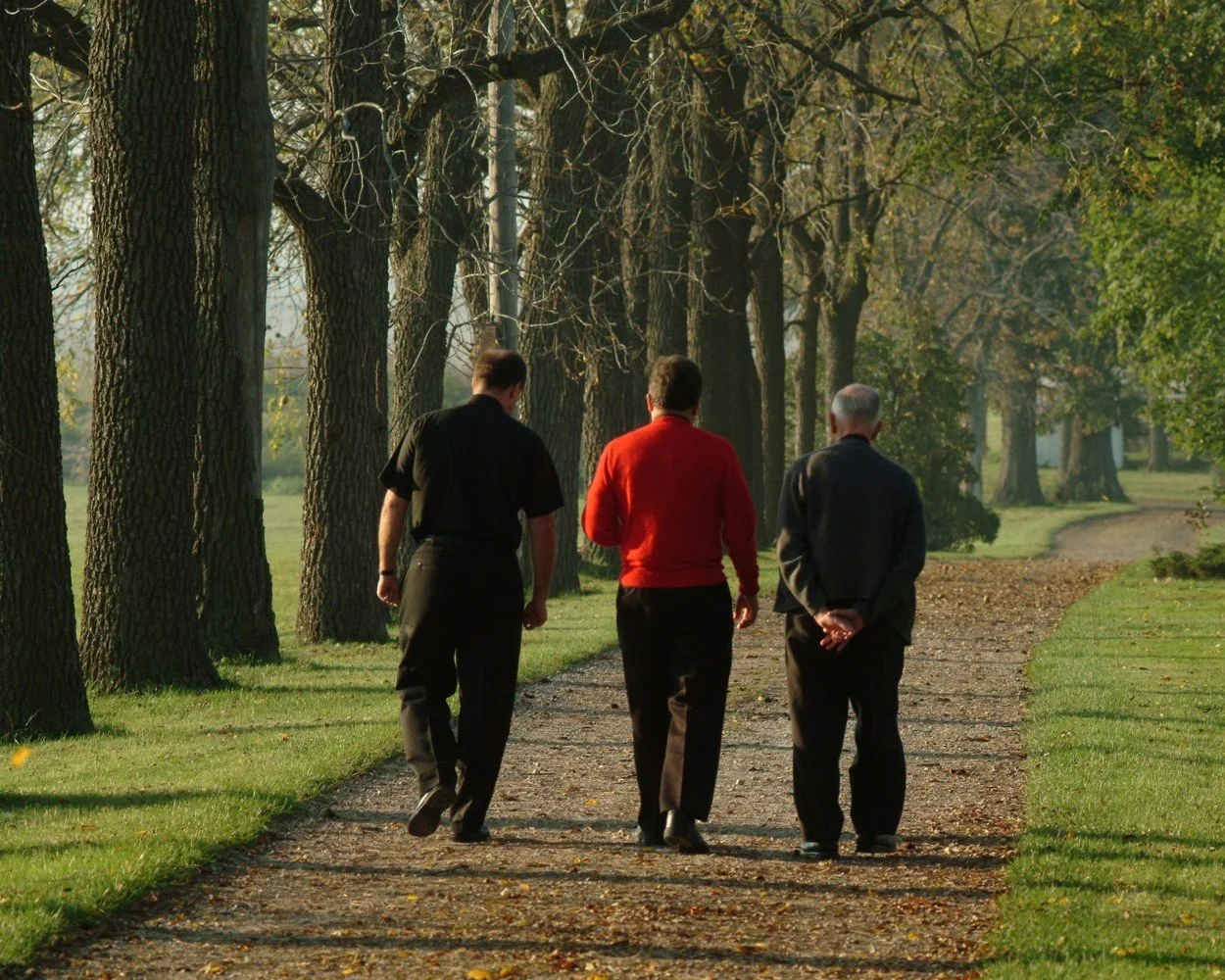
We seek the Holy Spirit’s guidance and grace in all the dimensions of our apostolic life as Missionaries of the Precious Blood. Those involved in the ministries of vocation animation and formation offer this profile of the Precious Blood missionary to guide and assist the Congregation in vocation and formation work. It represents our understanding of the realization of the charism of St. Gaspar at this point in time.
Profile of a Missionary of the Precious Blood
(Official Formation Document of Worldwide Directors)
—Abby of San Felice, Giano
July 8, 1999
Profile of a Missionary of the Precious Blood
(Official Formation Document of Worldwide Directors)
This profile lists the qualities of a Precious Blood missionary as seen within the context of the spirit of our founder, St. Gaspar del Bufalo, our C.PP.S. heritage and governing documents. It serves as an aid to envisioning the ideals toward which we strive as a world-wide congregation reflecting many different cultures. The Profile is a discernment tool to help prospective candidates gain clarity in knowing the mission, community and spirituality of the Precious Blood Congregation.
-
Missionaries of the Precious Blood evangelize through the apostolic and missionary ministry of the word. The Precious Blood missionary hears the cry of the Blood. Our mission calls us:
to be evangelized by the revealed Word of God in Jesus Christ and by the living Word of God present in the people and in the values of the culture to whom we are sent
to evangelize
in the ministry of the Word
in witnessing by lifestyle
in promoting peace, justice and reconciliation
in human promotion
in defending human rights and dignity
to read the signs of the times and to hear the cry of the Blood
to defend life in a culture of death
to respect and promote inculturation of the Church in every society
to collaborative ministry with all the faithful
to intercultural and international sensitivity
to educate ourselves in other cultures and languages
to allow God’s Word to transform the patterns of human living
to an ecumenism disposed to dialogue and to collaboration with other religions
to stand in solidarity with those who suffer: the alienated, the poor, the disempowered, victims of oppression, the marginalized
to work with perpetrators and victims to recover their full humanity
to be prophetic: to resist deceit, injustice, and whatever is contrary to God’s reign
to mobility, flexibility, and availability to various situations and cultures
-
We embrace community life which supports our mission. Our community life is sustained and directed by a spirituality of the Precious Blood. In community, we pursue the perfection of charity through the bond of charity as sons of St. Gaspar. Our community life is characterized by:
the bond of charity
living together, as long as the needs of the apostolate do not demand otherwise
a spirit of dialogue
a sharing of personal faith, gifts, and talents
mutual encouragement
a simple lifestyle
reconciliation
conversion
hospitality
shared meals, prayer, ministry, and study
embracing intercultural, international, and intergenerational community living
an exchange of candidates and members in the international community
-
The spirituality of the Precious Blood motivates us and focuses our mission. The missionary finds at the center of his vocation the Blood of Christ. The spirituality of the Precious Blood includes:
individual and communal prayer and study, especially with the Sacred Scriptures and C.PP.S. heritage
our gathering at the Eucharistic table where our bond of charity is celebrated and we are healed and strengthened for mission, and where the Cup of the Covenant creates communion and calls us to places that would challenge us
reconciliation
inclusivity and multicultural diversity
openness
interior freedom and poverty of spirit
celibate loving
a radical response to the call of the Blood
renewal of person, culture, society, and Church
humility which recognizes our interdependence
our Gasparian charism
deepening of our spirituality with others who share it
We seek the Holy Spirit’s guidance and grace in all the dimensions of our apostolic life as Missionaries of the Precious Blood. Those involved in the ministries of vocation animation and formation offer this profile of the Precious Blood missionary to guide and assist the Congregation in vocation and formation work. It represents our understanding of the realization of the charism of St. Gaspar at this point in time.
Giano, Abbey of San Felice
July 8, 1999
Formation Timeline
Formation is a lifelong journey of discernment and responding to God’s call. Consider the prophet Jeremiah who was directed to the potter’s house, and the Lord said, “Like clay in the hand of the potter, so you are in my hand.” (Jeremiah 18:4) Throughout the formation journey the candidate is growing into their unique Precious Blood identity through prayer, study, reflection, spiritual guidance, and a variety of pastoral experiences. The candidate in formation integrates the call of a Missionary of the Precious Blood envisioned by our founder, St. Gaspar del Bufalo. The following is an overview of the journey of formation in which the individual and the members of the community discern together whether a person is called to become a member of the congregation and share in our mission.
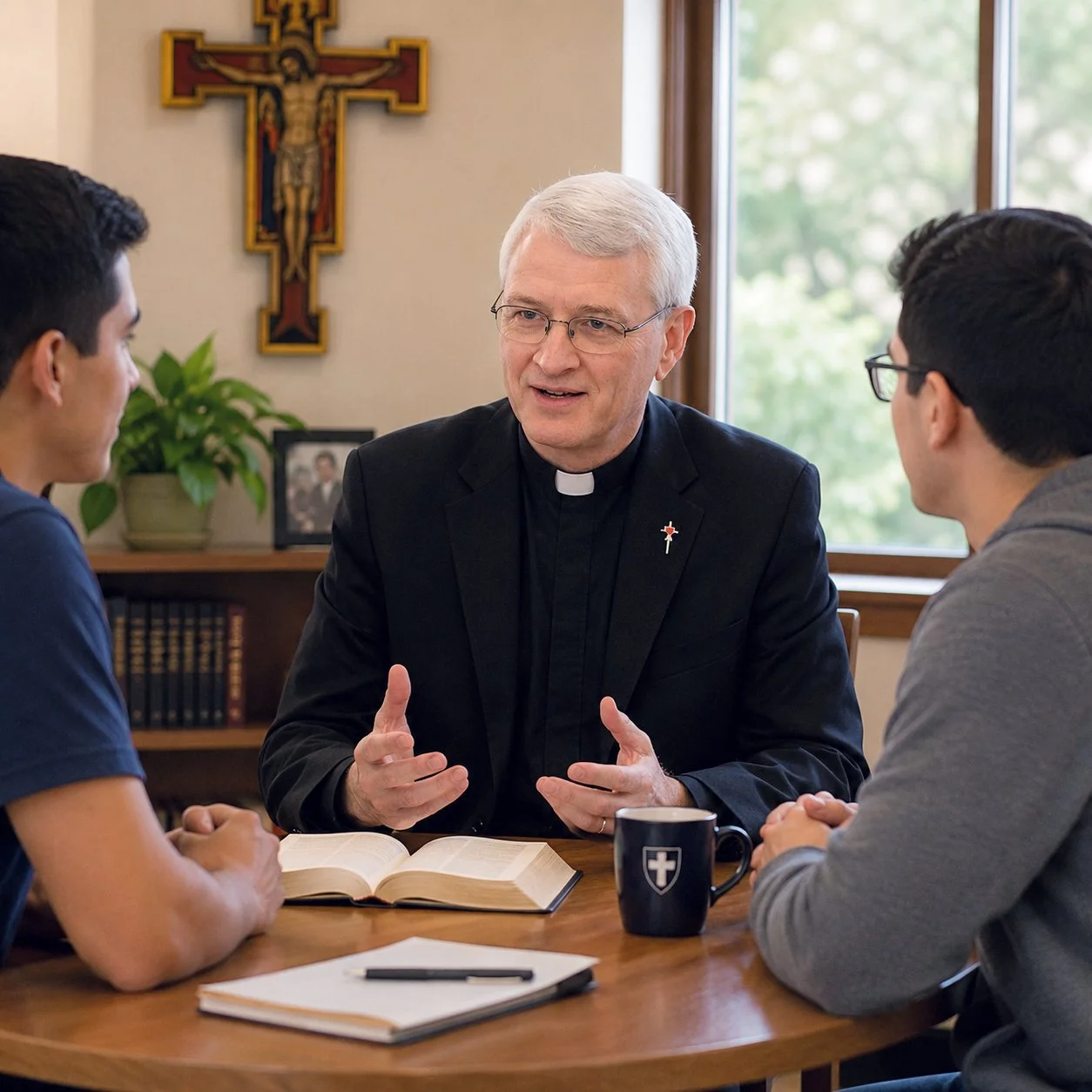
Inquiry Formation
Inquirers are men, generally between the ages of 18 and 40 years old, who are beginning to explore the idea of a call to consecrated life as a Precious Blood missionary priest or brother. They continue to live at home and follow their regular work or study schedule. With many expressions of Religious Life in the Church, the inquirer is introduced to the mission, spirituality, and community life of our congregation. Men who have graduated from high school, of college age, or older, are paired with a vocation sponsor who walks with the Inquirer using a discernment journal. During this time, an inquirer is encouraged to visit our formation community and mission houses. Inquiry formation concludes with the application process which can lead to admission into Initial Formation. This period generally lasts between six months and two years.
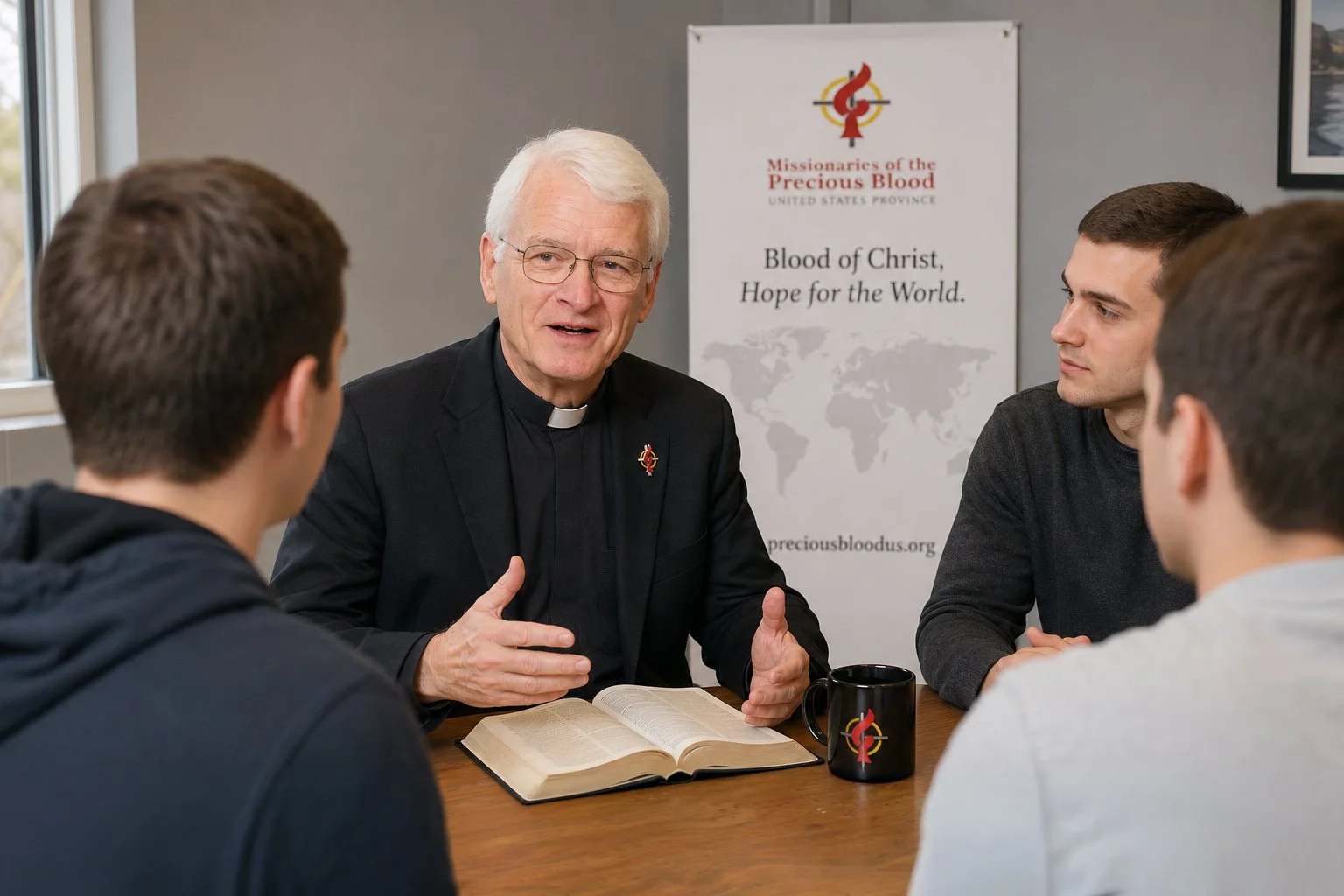
Initial Formation
The first formal stage of the Missionaries’ formation program is Initial Formation in which the Inquirer becomes a candidate in formation. This period generally lasts between two and five years depending upon the academic needs of the candidate to prepare them for future ministry. Along with a bachelor’s degree, candidates for the priesthood need 30 credit hours of philosophy and 12 hours of theology as prerequisites for graduate school. During Initial Formation priesthood and brotherhood candidates live in community with their director developing a rhythm of prayer, study, and personal growth. At the conclusion of Initial Formation, candidates make a first commitment to the Missionaries of the Precious Blood and enter a year-long program of Special Formation.
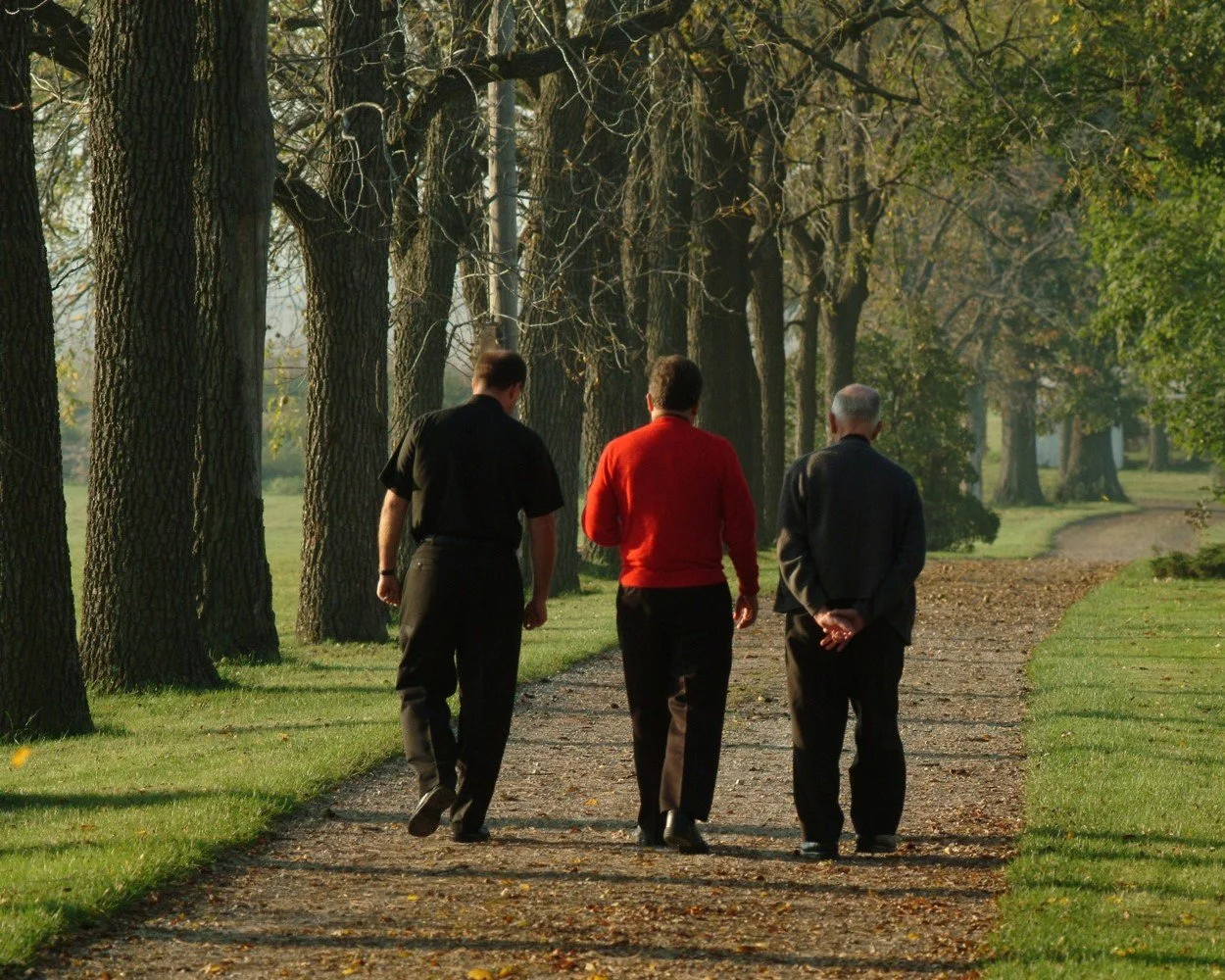
Special Formation
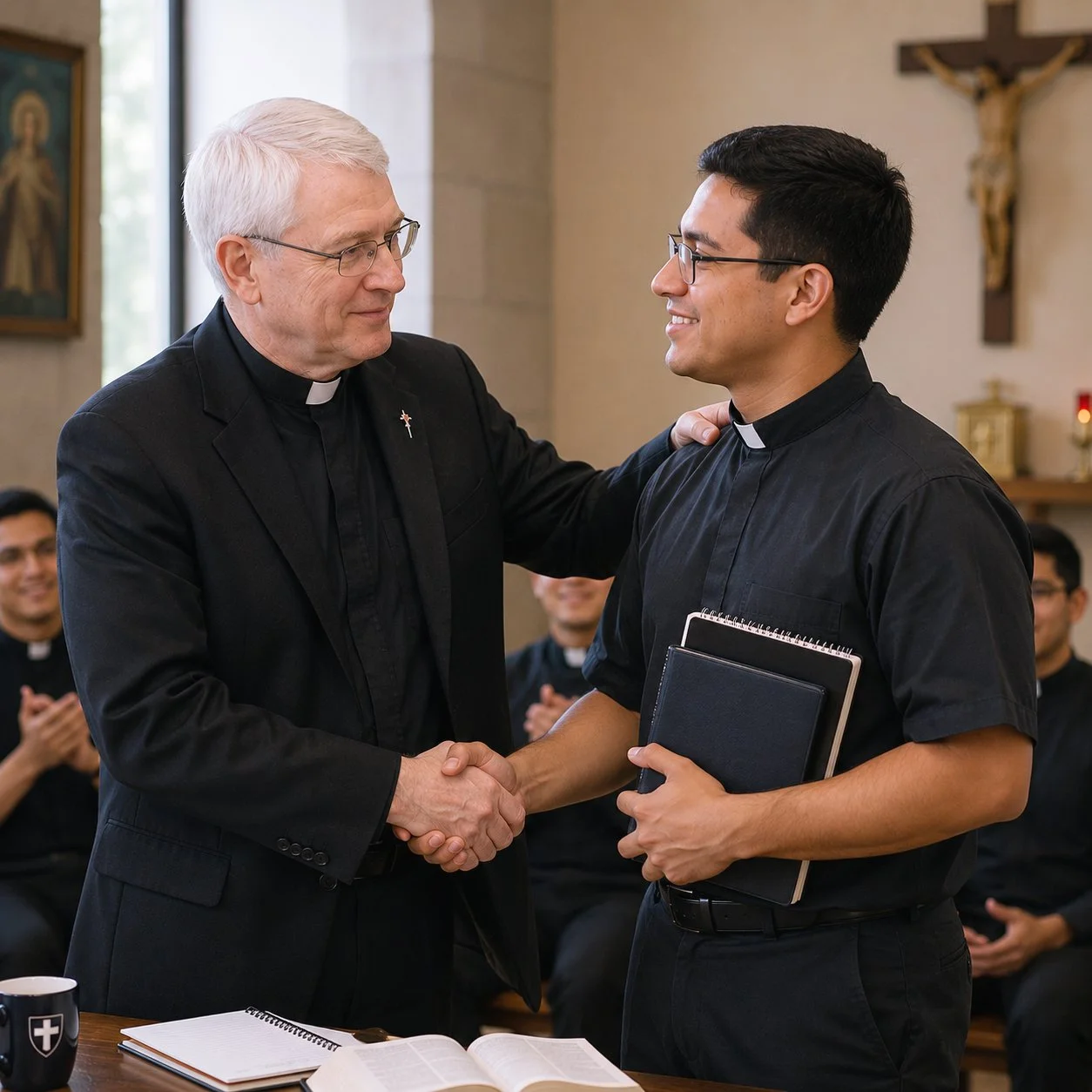
In this year of Special Formation, the candidate takes a break from his academic program to deepen his understanding of the Precious Blood congregation. There are two summer modules designed to take a deeper look at the congregation’s history, mission, spirituality, and community life. Between the two summer modules there is a 9-month internship focusing on service and the missionary life. After the second summer, a candidate may be temporarily incorporated into the congregation. As a Society of Apostolic life, in place of vows, the members pledge fidelity to live the bond of charity. This was our founder, St. Gaspar’s, vision for living communal life. By the end of Special Formation, it is usually clear to the candidate whether he is preparing for life as a priest or a religious brother. A priesthood candidate attends Catholic Theological Union (CTU) in Chicago and at the end of formation is ordained by a bishop to administer the sacraments. A religious brother is consecrated to a life of service, prayer and community life and his formation journey is tailored to his future ministry.
Advanced Formation
Once he is temporarily incorporated into the congregation the candidate proceeds into Advanced Formation to further his training for future ministry and to mature in his unique call from God. The house of formation for Advanced Formation is in Chicago, and priesthood candidates continue their academic education at Catholic Theological Union. Brotherhood candidates pursue whatever program will help them prepare for future ministry. Advanced formation generally lasts from three to five years, after which the candidate makes their Definitive Incorporation into the Precious Blood congregation, this is their permanent commitment to consecrated life. Priesthood candidates prepare for Definitive Incorporation in the congregation and ordination to the transitional diaconate, which leads to an internship program in which they serve as a transitional deacon. After this year, the candidate is presented to the bishop for ordination to the priesthood. Religious brothers complete their formation journey with their Definitive Incorporation and are given their first assignment as a Missionary of the Precious Blood.
Our Team
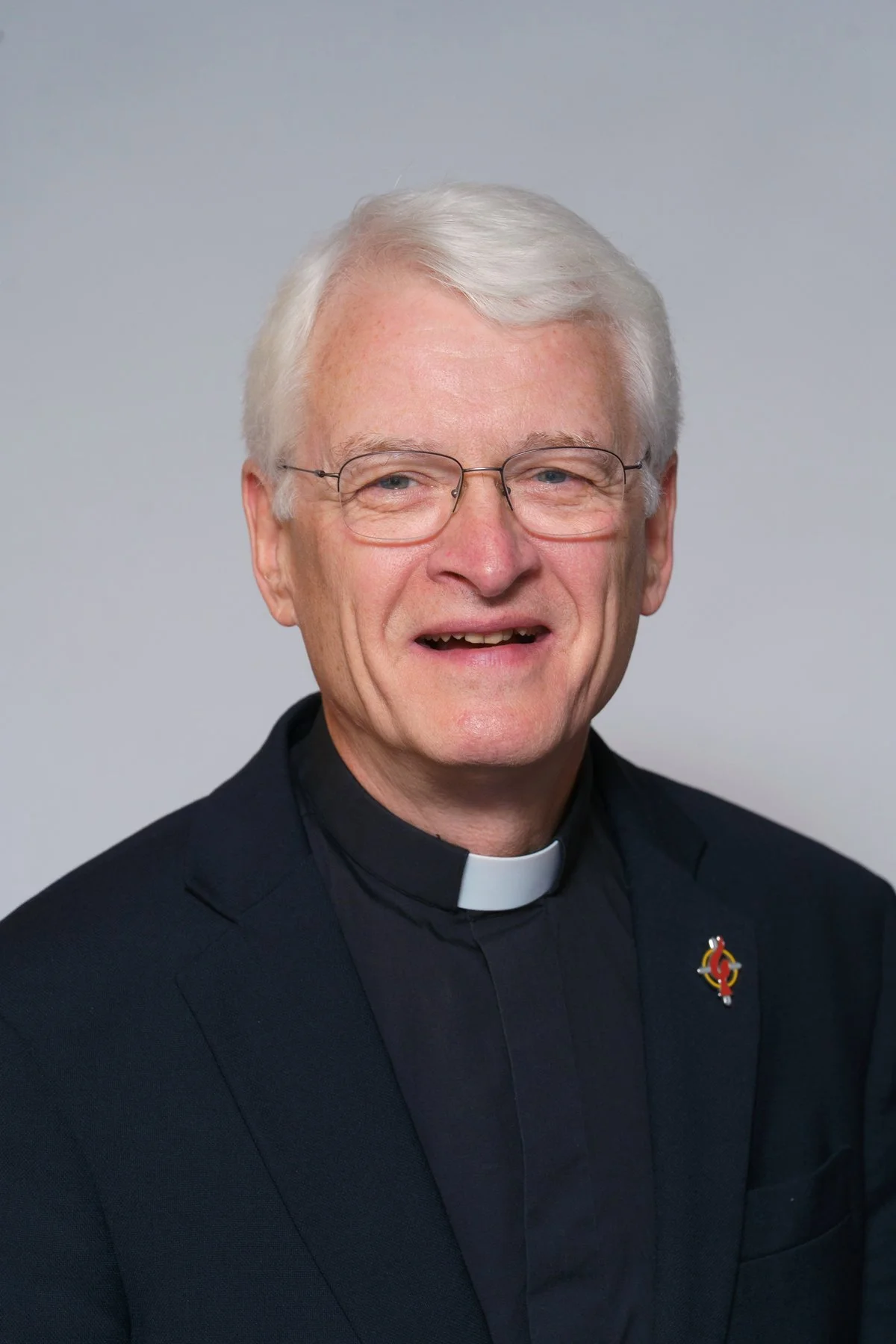
Fr. Angelo Anthony, C.PP.S. is Director of Vocation Ministry for the U.S. Province. He has been a member of the congregation since 1988 and served in parochial ministry and leadership positions for the congregation. His favorite scripture is, “But now in Christ Jesus you who once were far off have become near by the blood of Christ.” (Ephesians 2:13)
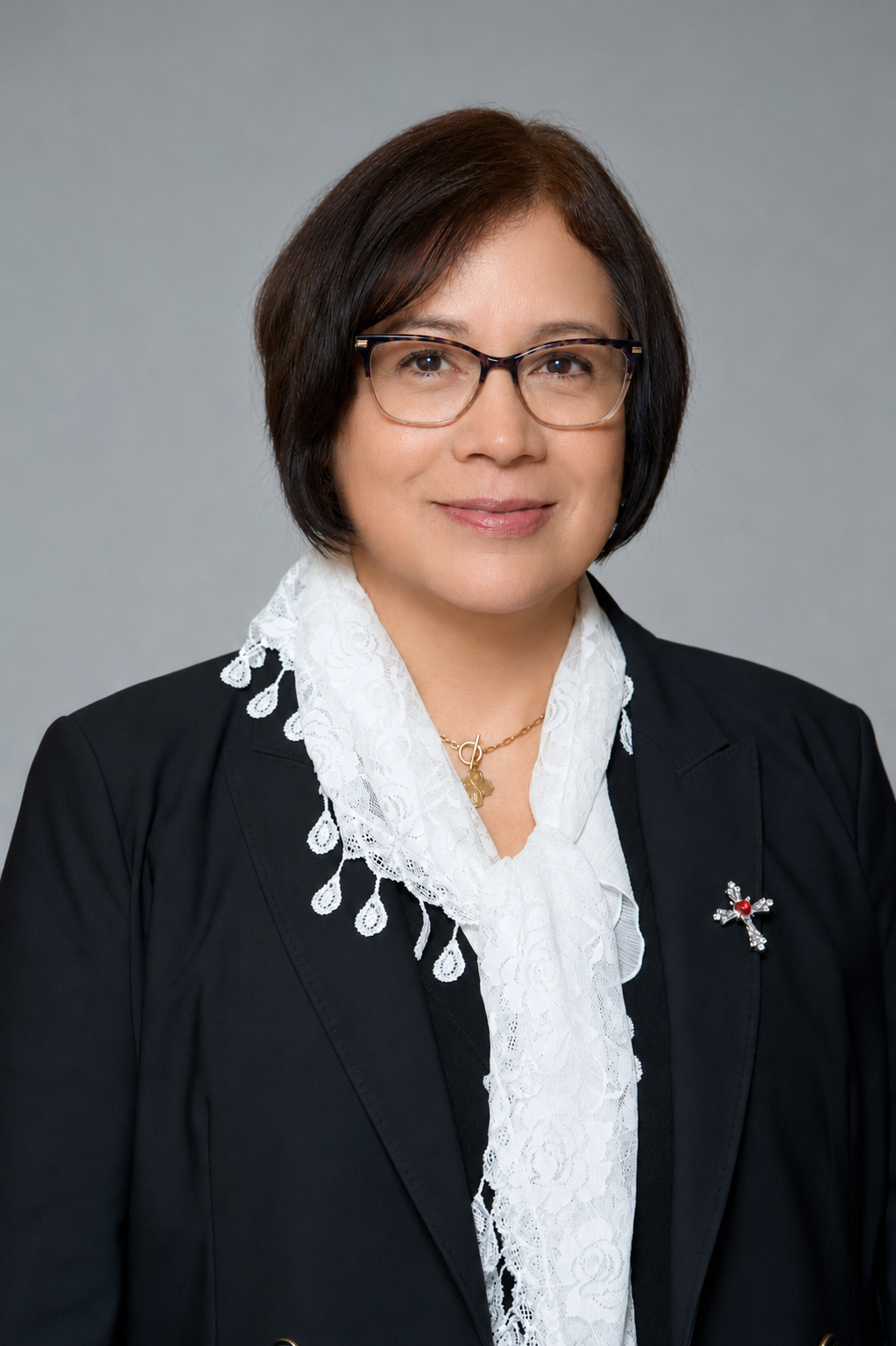
Patricia Malinowski is Associate Vocation Directors for the U.S. Province. She brings a chaplain's heart, lifelong learning, a solid background in instructional design technology to the ministries of vocation, catechesis, and lifelong formation. Her favorite scripture verse is, “Then he took a cup, gave thanks, and gave it to them, saying, Drink from it, all of you, for this is my blood of the covenant, which will be shed on behalf of many for the forgiveness of sins." (Matthew 26:27-28)
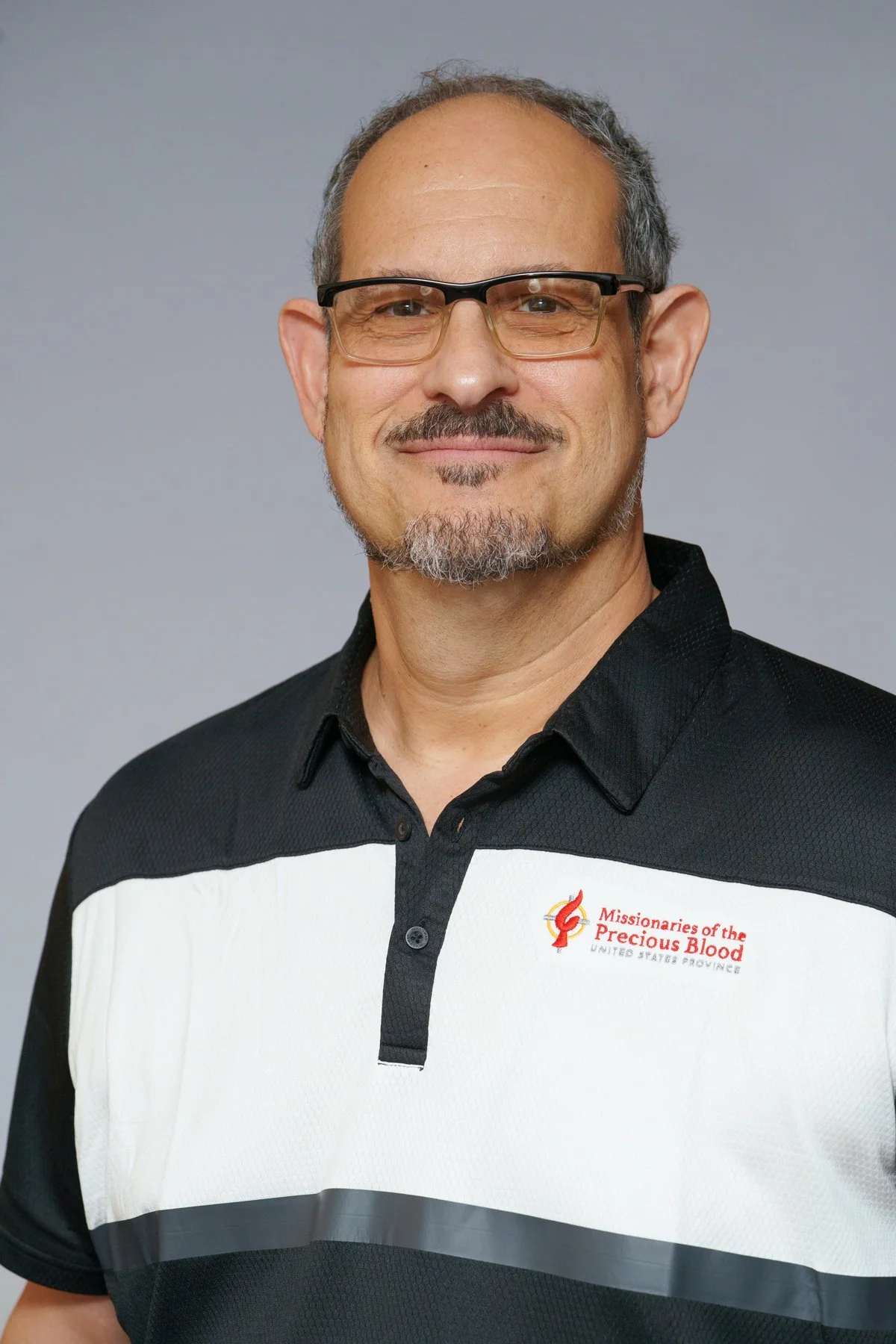
Anthony Franchina is Associate Vocation Director for the U.S. Province. He has been fulfilling his vocation as a teacher and missionary, campus minister and spiritual companion, for 40-plus years as a single layman. His favorite Scripture verse is: “I am the vine, you are the branches. Whoever remains in me and I in him will bear much fruit, because without me you can do nothing.” (John 15:5)
Inquiries
Please fill out this information form and one of our vocations members will contact you to discuss your request with the Missionaries of the Precious Blood.